On the Street Where I Live: Viva Gibb’s Portrait of North and West Melbourne
June 27, 2026
-
On the Street Where I Live: Viva Gibb’s Portrait of North and West Melbourne
Venue: City Gallery, Melbourne Town Hall
05 Mar 2026 – 07 Aug 2026
Skyhooks release “Living in the 70s” on Mushroom Records. I’m fourteen, living in Reservoir, luxuriating in glam and krautrock. I was no fan of the LP: from its Art Nouveau cover to its localised lyrics to its anaemic arrangements. Regardless of the band’s larrikin missives and sardonic stance, Skyhooks’ revolutionary markers and glam tokens remained unconvincing to me. Other Australian bands of the era I found more sonically stimulating: Daddy Cool, Spectrum, Chain, Black Feather, the La De Das, Lobby Loyde & the Coloured Balls, AC/DC. None of them presented as university graduates. That Skyhooks, its individual members, and the “independent” record label Mushroom would gain power as media-managing cultural entities for decades to come has always proven the dull critical edge of Australian popular culture.

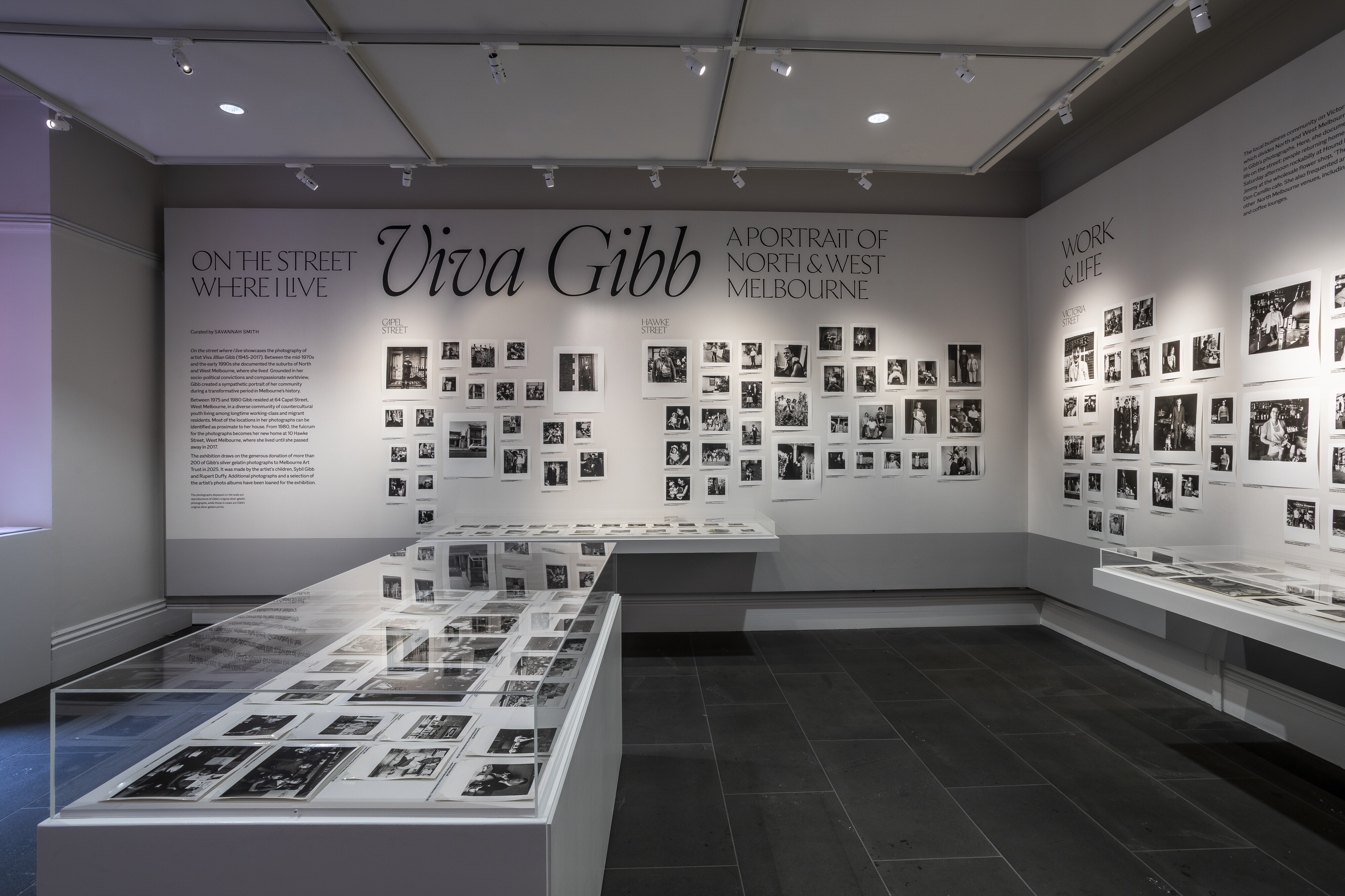
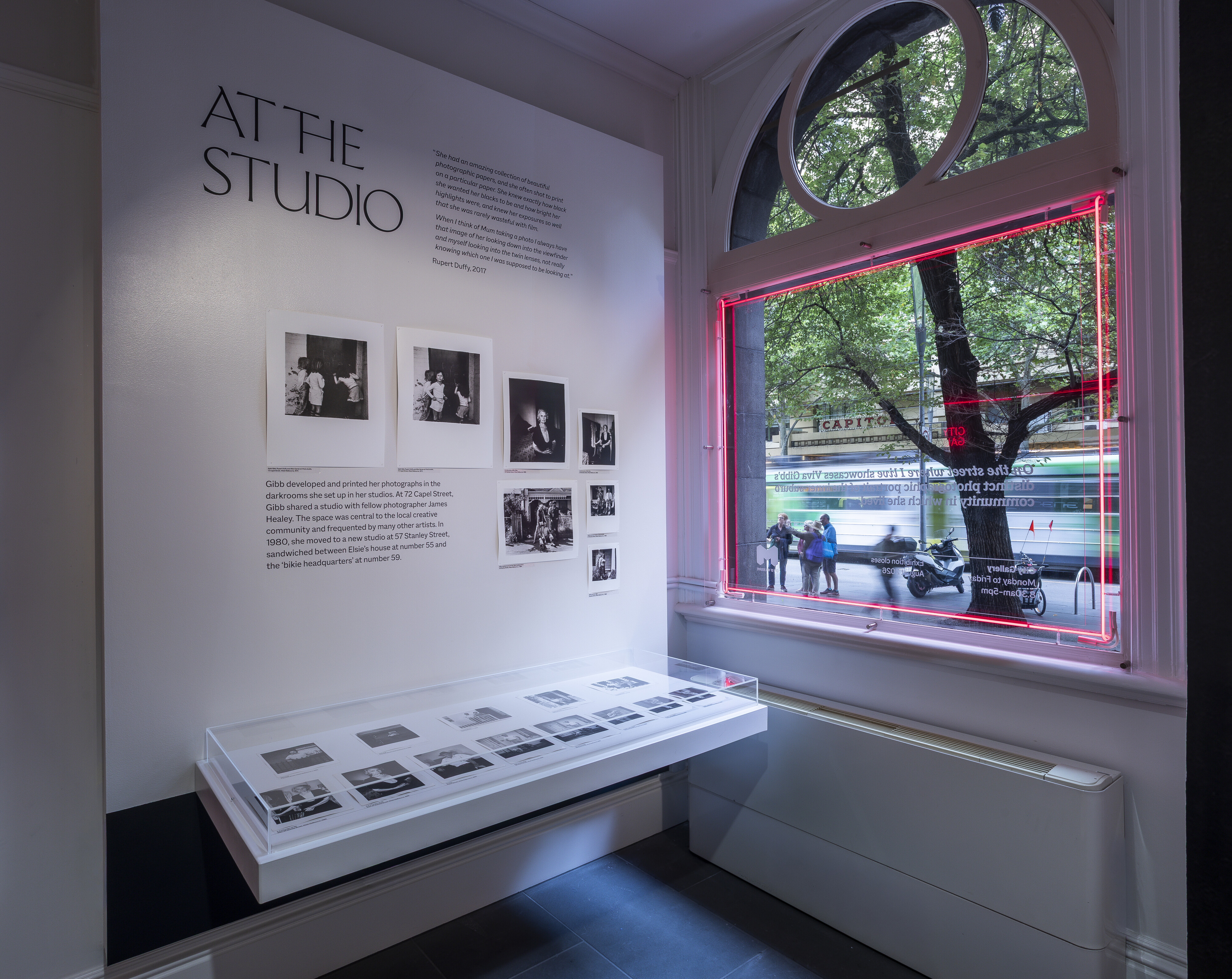
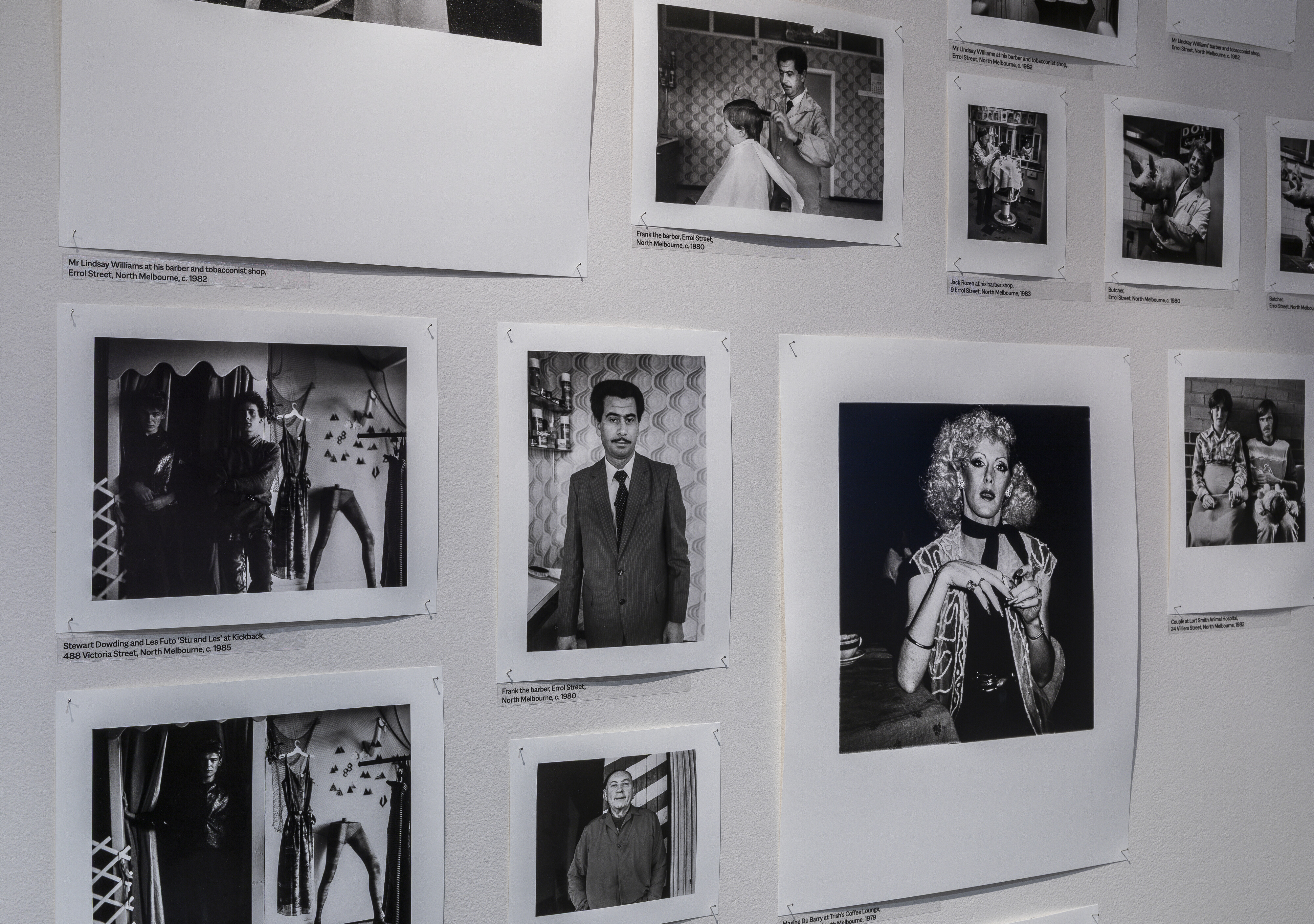
Installation view of On the Street Where I Live: Viva Gibb’s Portrait of North and West Melbourne, City Gallery, Melbourne Town Hall. Courtesy of City of Melbourne and Tobias Titz.
At this pre-punk/post-Vietnam moment, when Melbourne’s inner-city activities cosplayed US campus politics, I couldn’t think of anything more posturing than the “Carlton scene,” with its bourgeois student radicals downing beer while arguing politics and poetry. The ABC TV show Countdown seemed to host Skyhooks and their members continually. Maybe there were critics in the mid-1970s who viewed the show’s British-inflected strategy (working “within” the stodgy ABC to generate youthquake relevance) as half-baked. I never heard that critique then, and certainly not since. Watching Countdown then was like being “tortured in the 70s.” Australia’s contra-cringe idolising of Molly Meldrum and Michael Gudinski amounts to Strine Stockholm syndrome. ACMI’s collection data indicates it will be exhibiting the show’s stupid sign with its crappy light bulbs until 2031. (True.)

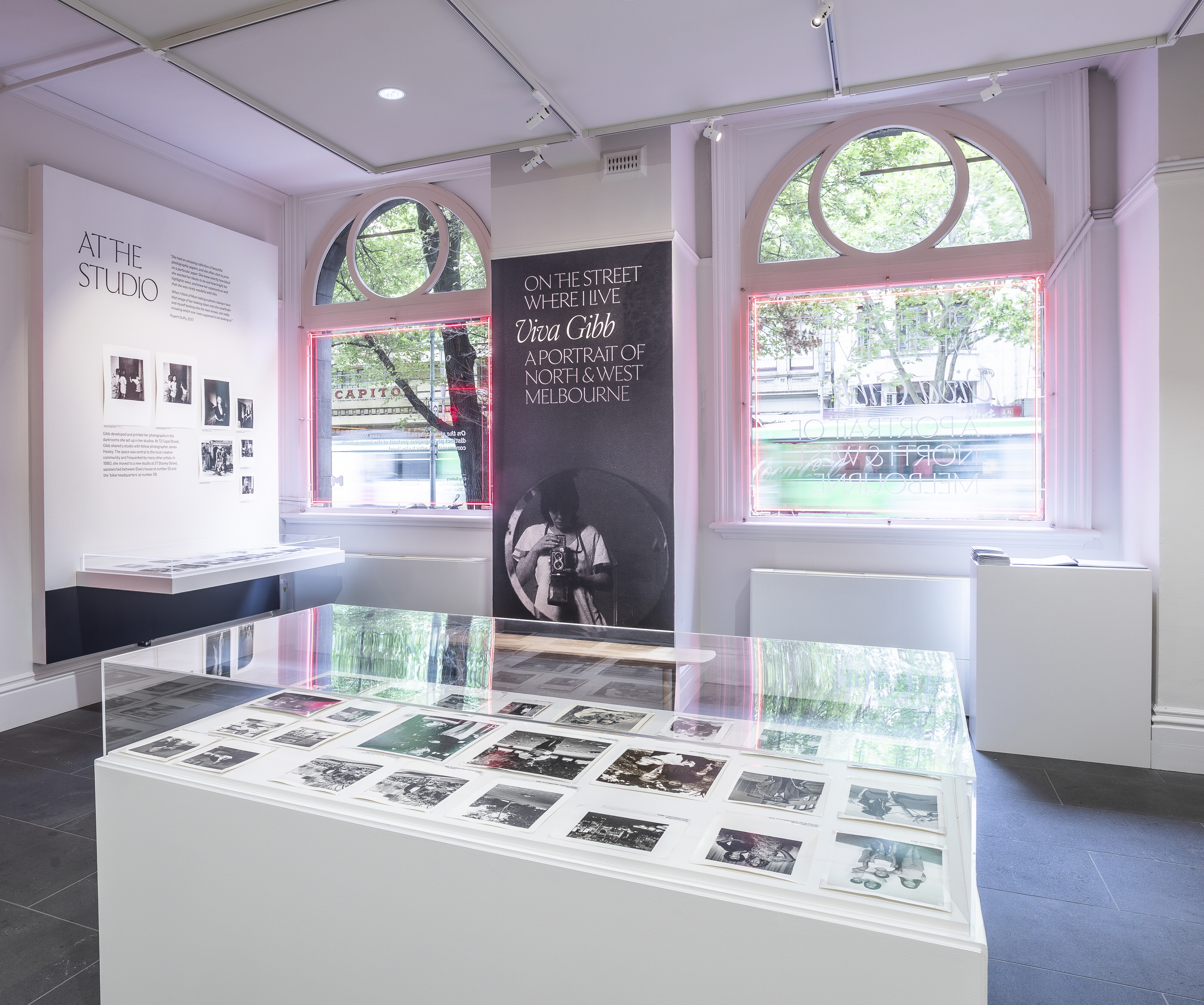
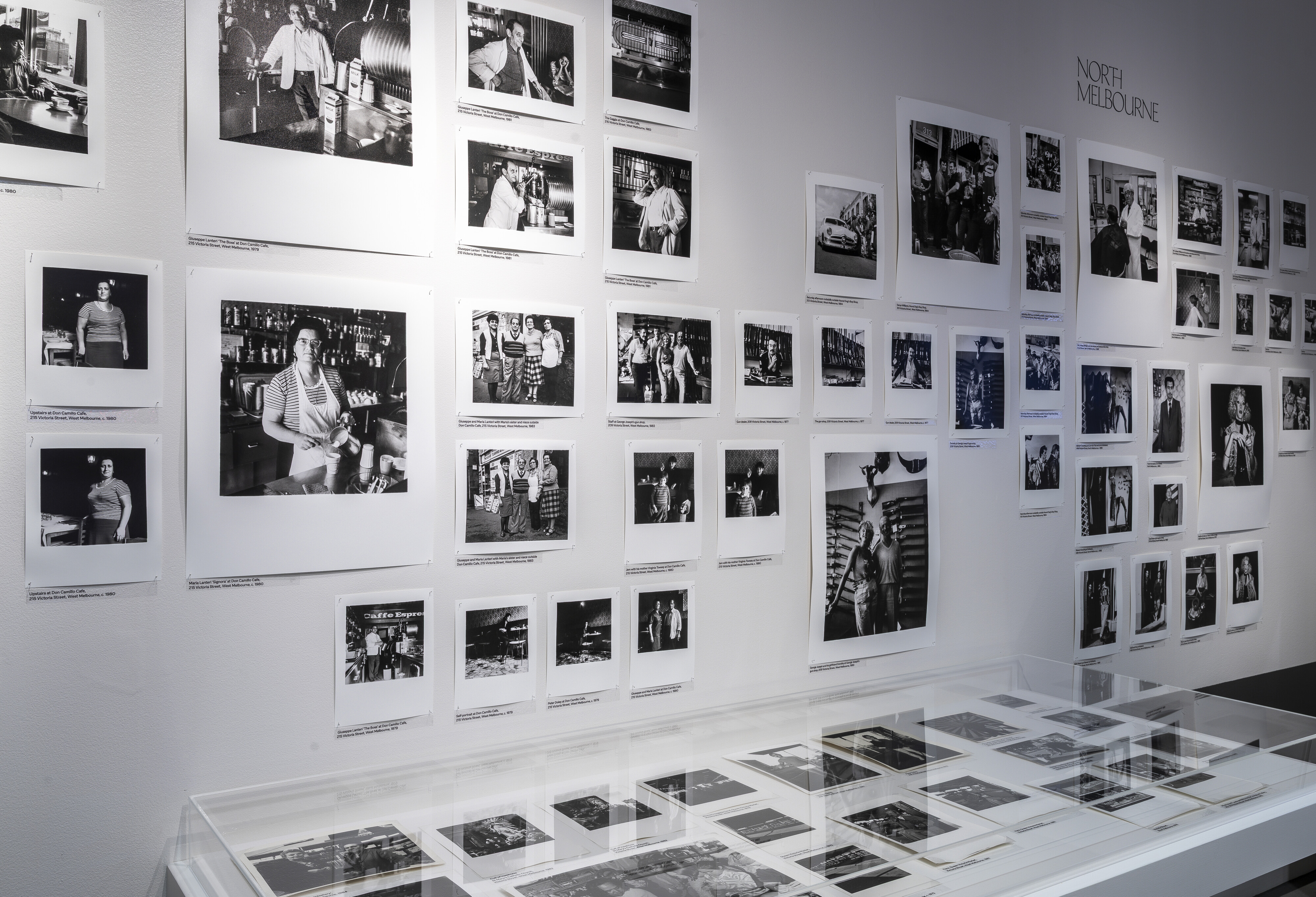
Installation view of On the Street Where I Live: Viva Gibb’s Portrait of North and West Melbourne, City Gallery, Melbourne Town Hall. Courtesy of City of Melbourne and Tobias Titz.
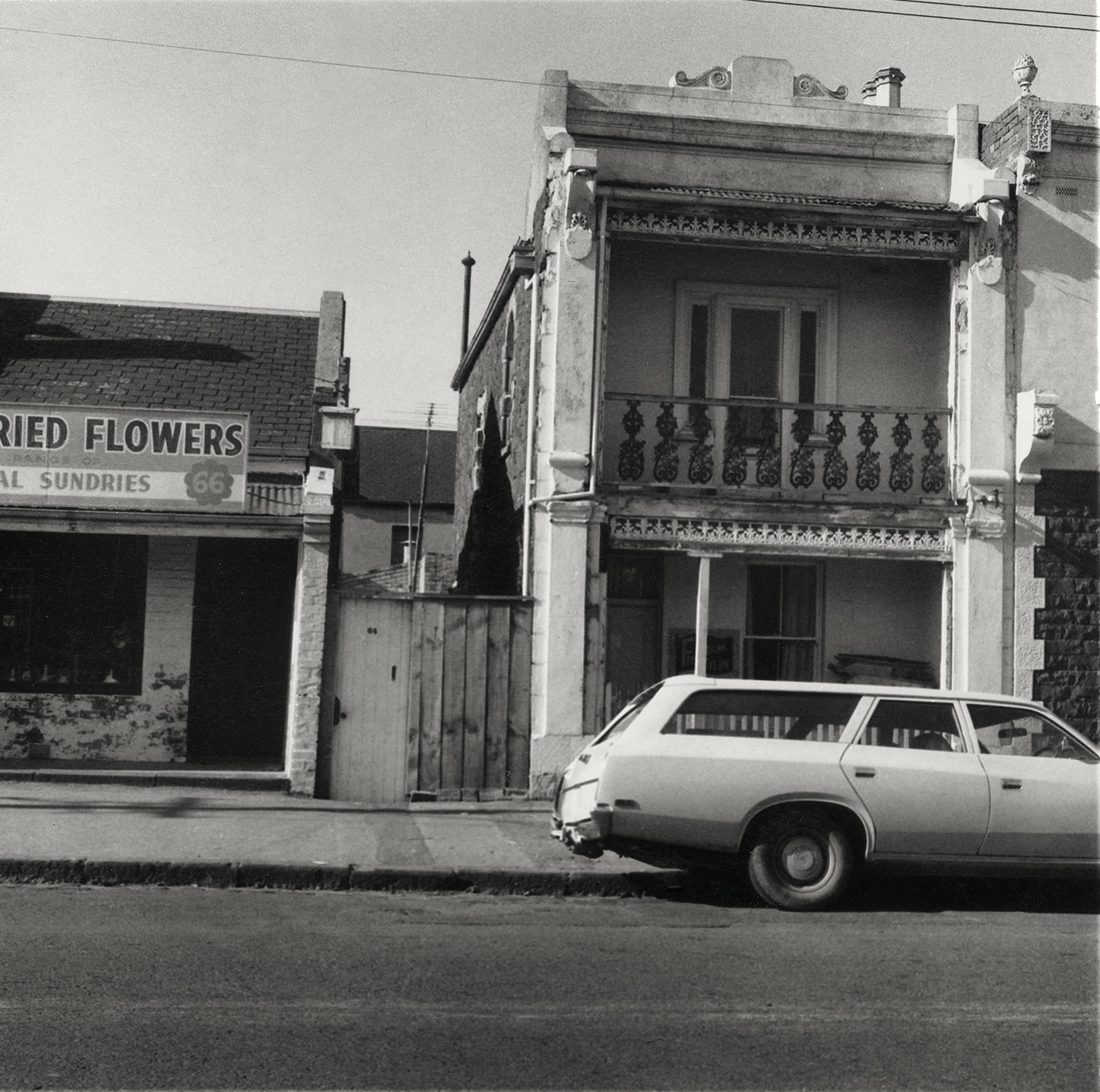
Victoria Gibb’s exhibition On the Street Where I Live – Viva Gibb’s Portrait of North and West Melbourne documents a minuscule milieu, slightly left-field of Carlton and a few years past the birth of Skyhooks. It’s a world bisected east/west by Victoria Street, fanning north to Flemington Road and south to Spencer Street. In this spatio-temporal zone, Gibb calmly photographed the denizens of her home terrain for roughly a decade following a move to Capel Street. At the time, North and West Melbourne were rough; not poetically so. Both spreads were equally mapped by a cramped snaking of workers’ cottages; Edwardian terraces; small-to-medium factories; and numerous publican boarding establishments, all two-storey and bearing an angled entrance at their corner. Cobblestone laneways crisscrossed the realm; roads sprouted and branched to form weird tri- and quadrilateral shapes; dead ends appeared continually no matter which way you proceeded. Occasional lines of shops grew like moss along Victoria Street and into Errol and Queensbury Streets, a high proportion of which were run by Italian immigrants. Many of these architectural facets remain today, so that Gibb’s photographs are time-warping and evocative. Unlike many other parts of Melbourne, these sectors bordering the negative spaces caused by Spencer Street Station and its extended yards have stubbornly resisted major restructural development: the Yarra and Maribyrnong Rivers, Coode Island, and the VR freight yards still seem to be keeping things at bay.
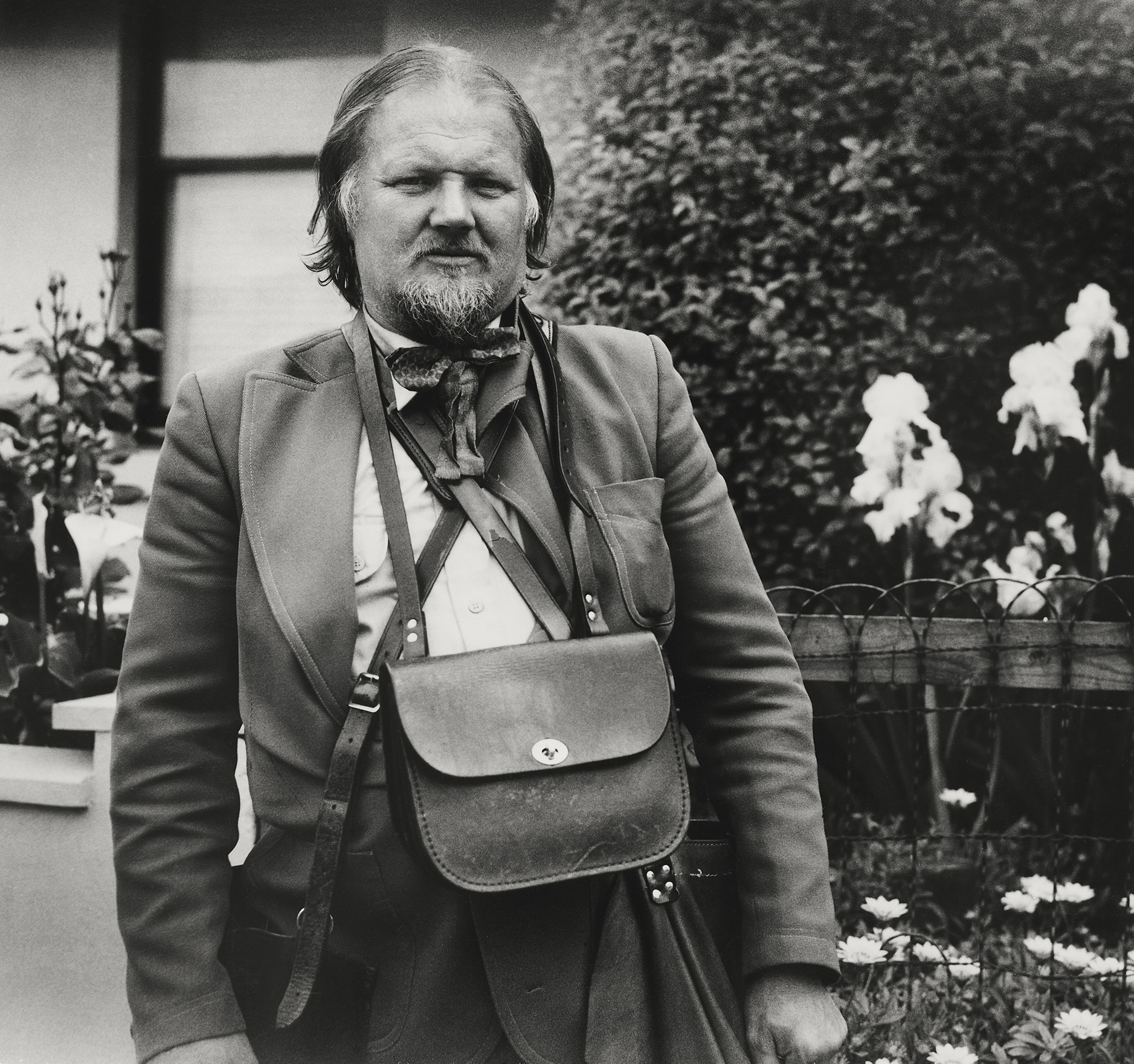
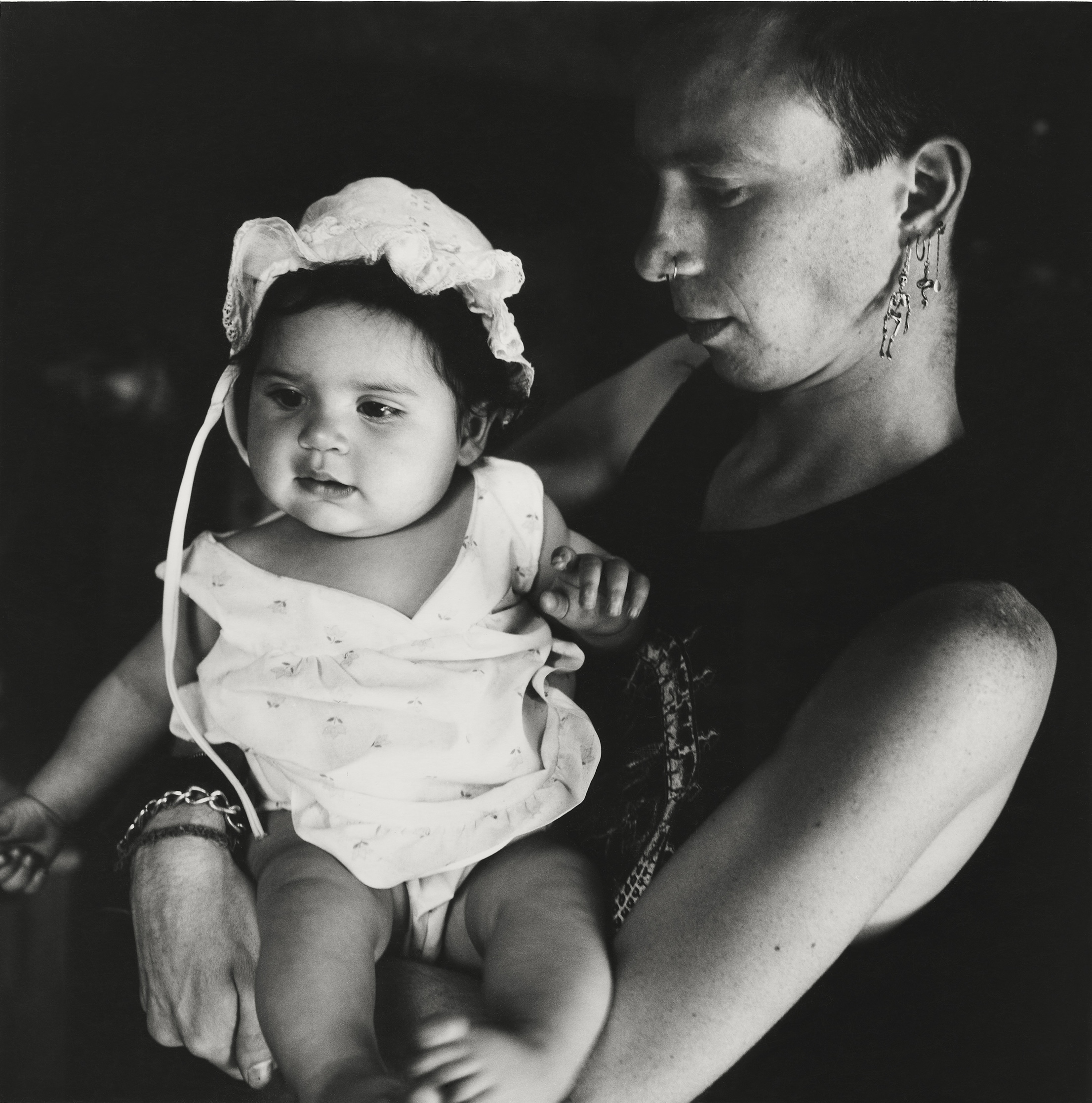
But Gibb’s lens was not there in the 1970s to celebrate topography—unless it was the craggy folds in the weathered visages of the locals who lived and worked in her immediate vicinity. This exhibition is all faces, bodies, hands; all small-scale black-and-white silver gelatin snaps that clearly show an established relationship between subject and documentarian. This notable aspect of Gibb’s practice is the focus of curator Savannah Smith, while the exhibition is couched within the City of Melbourne’s remit to acknowledge modern historical legacy and positioned to underscore Gibb’s contemporaneous status through the historical acknowledgement of her work, which came via the NGV’s inaugural curator of photography, Jennie Boddington. What I’m saying here is better expressed in Smith’s catalogue essay, which also contains brief remembrances by Helen Garner—who for a while lived in the same house as Gibb—and fellow photographer Ruth Maddison.

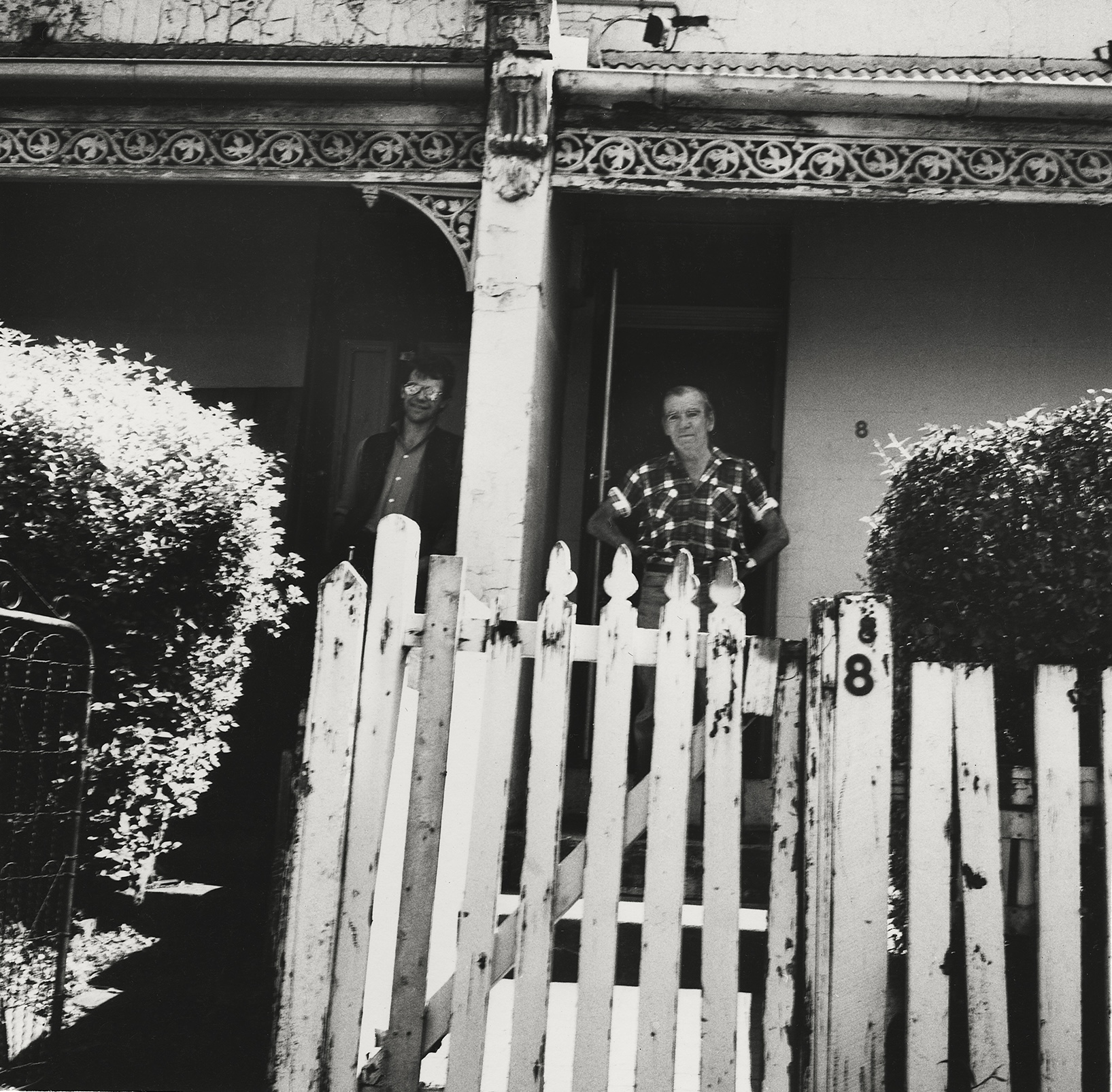
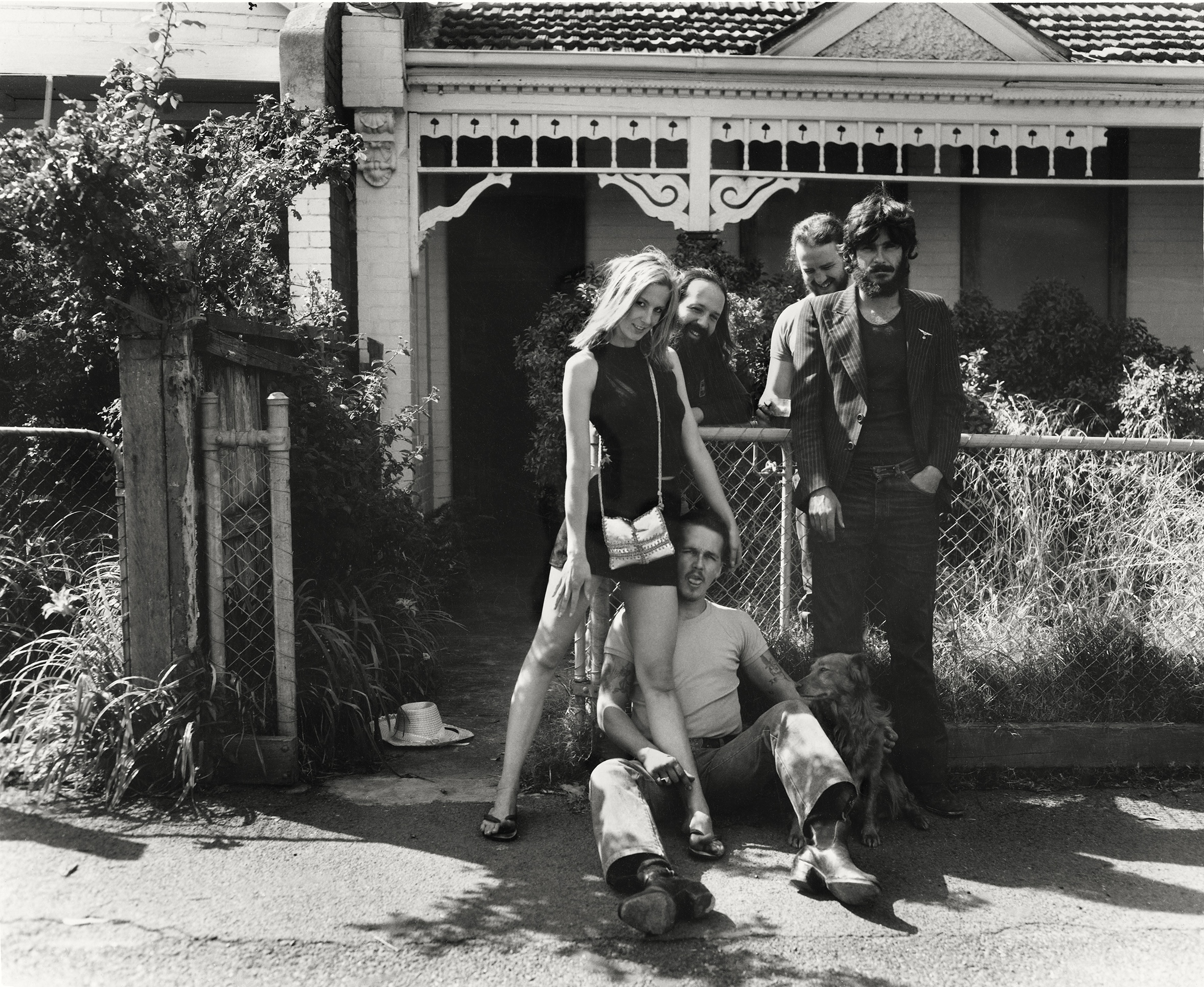
Viva Gibb, Anthony Jesus outside 10 Hawke Street, West Melbourne, 1982, silver gelatin print, 24 × 18 cm. Donated by Sybil Gibb and Rupert Duffy to the Melbourne Art Trust in memory of Viva Gibb 2025, © Courtesy of the Estate of Viva Gibb.
So why did I commence this review with an ad hominem blast against the crowned 1970s Carltonites? Being around at the time of Gibb’s photos, I ventured into the North and West frequently in the seventies: Festival Hall concerts (Gary Glitter, Matt Taylor, Yes, Jethro Tull, Suzi Quatro), Victoria Market (for donuts), Spencer Street taxi coffee stations with jukeboxes, Hound Dogs Bop Shop, Barone’s Pasticceria (next to Don Camillo), the gorgeous Lamberti Brothers Musical & Electrical, the wild Trish’s Box (a pre-queen drag joint that sometimes staged plays), the Ritz Cinema (couched within the Lithuanian Club in Errol Street), and numerous Italian tailors. No-go zones were the phalanx of brothels in Peel Street, the infamously deadly Royal Exchange Hotel (before it became a La Porchetta), and most laneways after dark. Trad jazz banjo maestro Smacka Fitzgibbon had opened Smacka’s Place in Chetwynd Street, often appearing on TV shows like “The Penthouse Club.” And → ↑ → first performed their “A Punk Band” set at Mulchay’s Hotel in North Melbourne in 1977 to an audience of nearly no one. Gibb’s distinctive “street domesticity” captures how people looked in those related environments, at a time when Skyhooks was playing their early gigs. Roughly stylish, a touch threatening, but mostly a tad nervous: skinheads, anti-wog sentiments, and poofter bashing were always just around the wrong corner. Gibb’s “real people” photos align with the socio-political support accorded “socially aware” artmaking at the time. Her images are thus doubly familiar: firstly, due to their content; secondly, because this exhibition’s enshrinement of the practice of documenting a local community synchs to current (once-leftist/now-humanist) celebrations of “real people” by cultural elites who, ironically, now reside in North and West Melbourne. This flank of the inner city is not simply a sought-after real estate cache but the prime catchment area for University High School.
The Viva Gibb exhibition at City Gallery is aptly sited. The Melbourne Town Hall sits unmoved in the trashiest street in Melbourne (Swanston Street), seemingly inured to its surroundings like a toff lord smoking a cigar among Dickensian urchins. It looks like it did in the early 1970s when I used to attend rock films that were sometimes projected in the Lower Town Hall. The building’s trumpeted blend of Second Empire and Victorian Academic Classical (which my untrained eye cannot discern) feels simpatico with Melbourne’s Federation cling to Eurotrash historiography, especially as the building squats next to a City Square visited by no one.

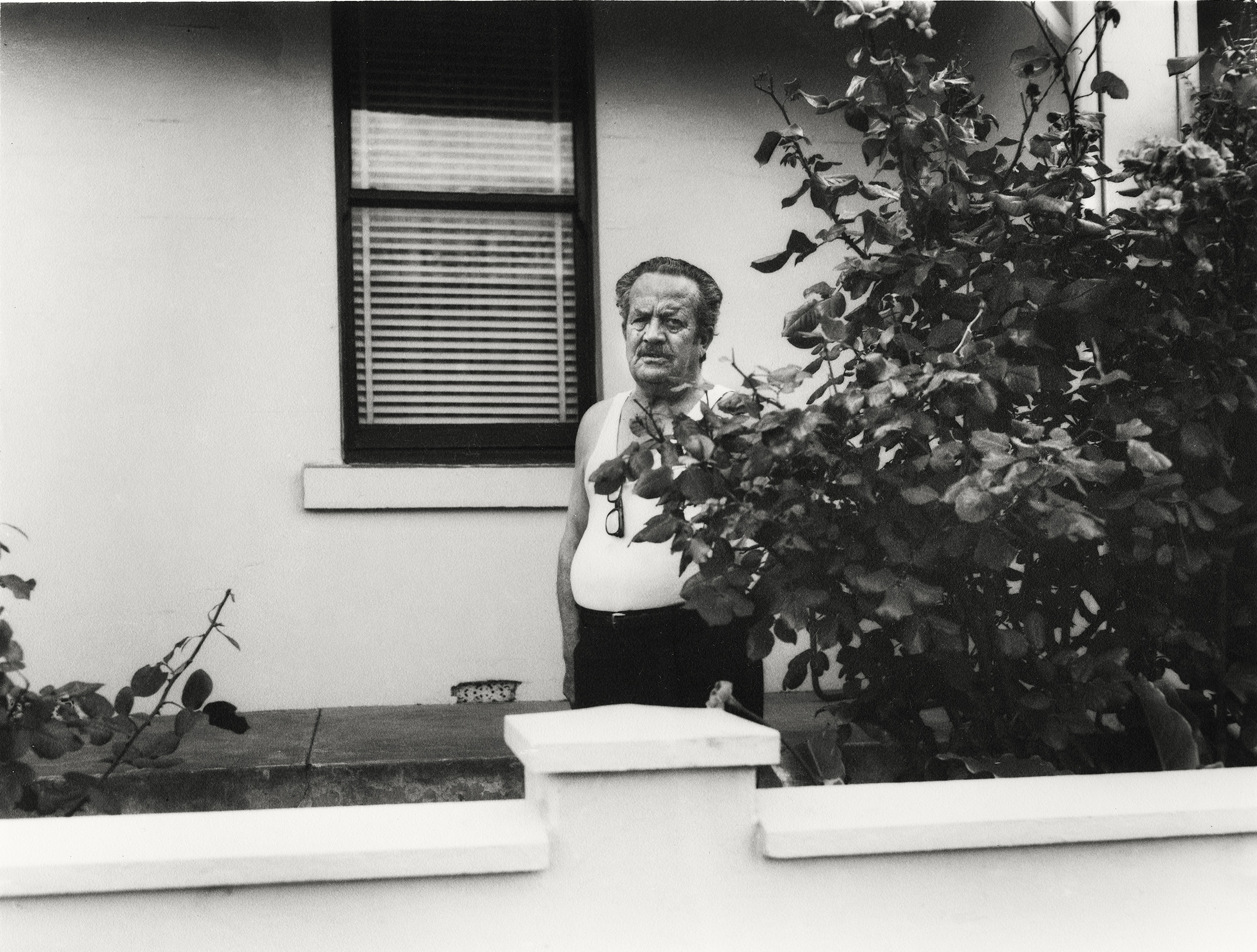
Viva Gibb, Willie and Louise, Hawke Street squat, West Melbourne, 1985, silver gelatin print, 20 × 20.5 cm. Donated by Sybil Gibb and Rupert Duffy to the Melbourne Art Trust in memory of Viva Gibb 2025, © Courtesy of the Estate of Viva Gibb.
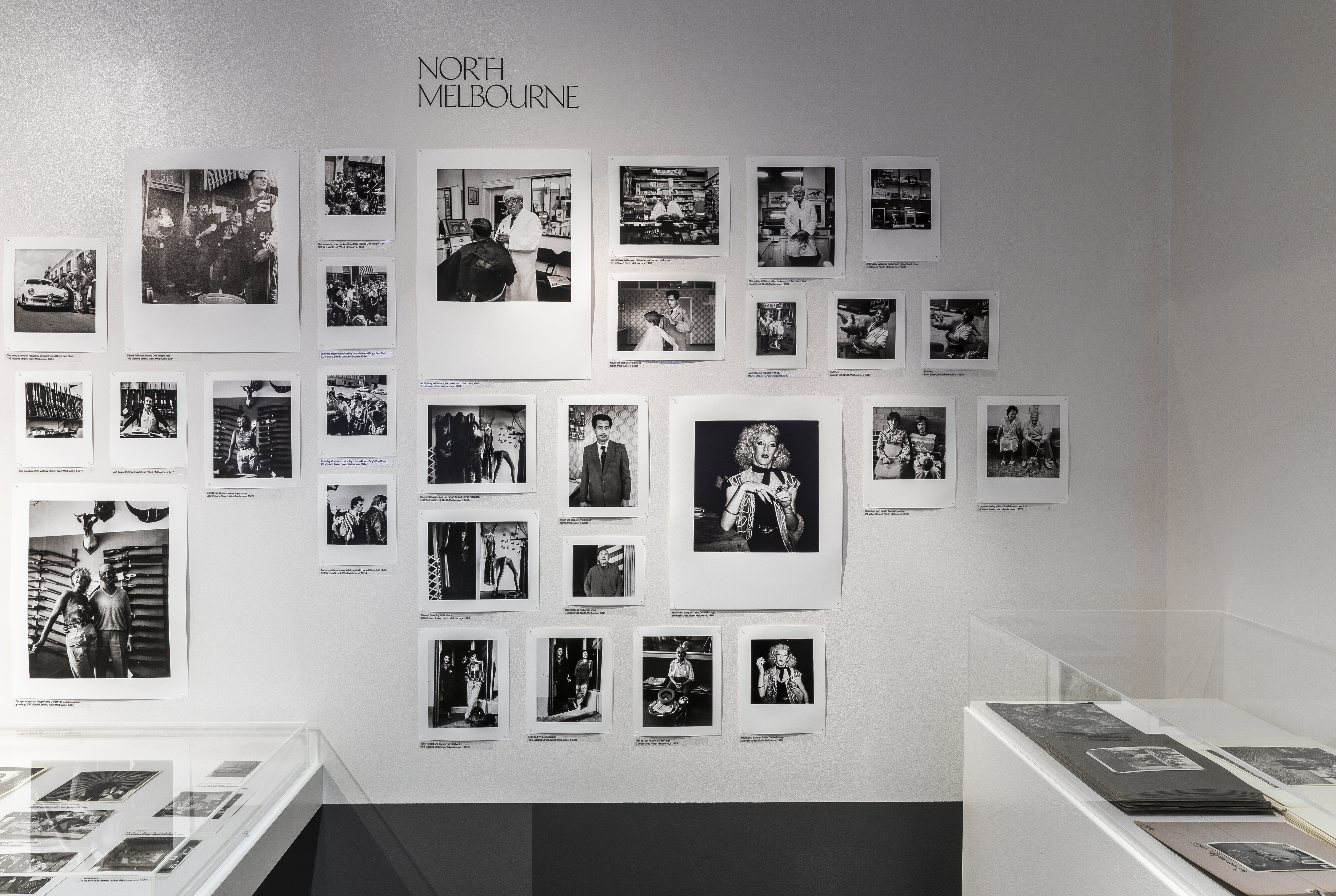
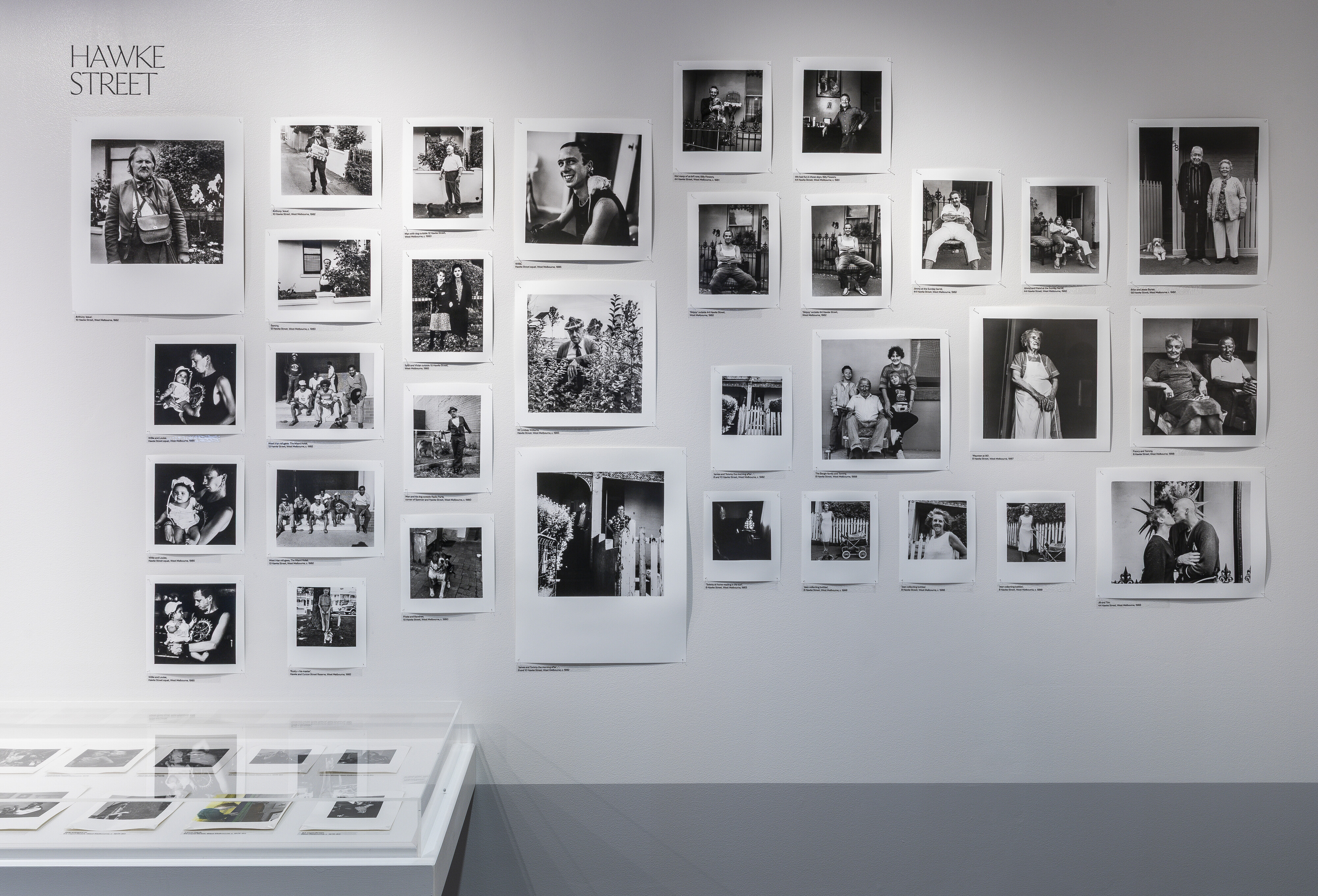
That Gibb’s exhibition is something one can take in by casually walking off the street feels generous, welcoming of the time-warp frisson the photographs excite. This nexus between vanishing local historical peripheries and accelerationist urban development is a gift of sorts. Clearly there are people in the City of Melbourne offices (and the State Library corridors and elsewhere around the CBD) who are concerned with framing this withering passage from Federation through to postwar transformation. Visitors who come to see Gibb’s digital prints salon-hung on the gallery’s modest walls (smartly designed by Stephen Banham at Letterbox) will hopefully resonate with the small details of the depicted environs: wonky picket fences in place of wrought iron work; buckling gutters and side pipes; chipped white paint covering red brick walls; random ivy, broken asphalt, dead plants, flock wallpaper, Venetian blinds, kitchen lino.
But even as I note this, I cannot ignore how the simple act of aesthetically savouring this lost world of localism, and its unpretentious conveyance of people holding onto employment, potentially feels offensive. Rich people love to dress poor, go to things with Italian names (only trashy people are impressed by things with French names), and appreciate art that captures the down-and-outers. Photography has always been the go-to medium for anthropologically placing “real people” in ethical formaldehyde. Is there a NexGen Viva Gibb now uploading phone snaps of what’s happening along Swanston Street late on Friday night? Will those images of economic destitution and mental health collapse garner a solo exhibition in a special sensory environment at The Fox across the Yarra Bridge in 2076?

Installation view of On the Street Where I Live: Viva Gibb’s Portrait of North and West Melbourne, City Gallery, Melbourne Town Hall. Courtesy of City of Melbourne and Tobias Titz.
In September 2025, North Melbourne local Danius Kesminas held a fantastic mongrel exhibition at Katie Beale and Mick Harvey’s One Star Gallery & Lounge in Victoria Street, West Melbourne. The exhibition was titled כוכב אחד, which translates from Hebrew to “One Star.” That was the name of the original double-fronted café, frequented by local semi-retired immigrant men who smoked and played cards for hours on end, possibly fuelled by discreetly poured spirits. I was always too scared to barge into a place like One Star, but Danius frequented the establishment as a local. From memory, it closed around 2015 and laid dormant for a while; Katie and Mick took over the lease and re-opened the space as a gallery in 2020. It has remained a friendly and accessible venue, with a lean towards exhibiting the work of musicians or music-related personnel with artistic inclinations. One work in כוכב אחד was a faux-Constructivist sculpture made from outward-jutting shards and slivers of what was the fluoro and Perspex sign for the original One Star café, which Danius had liberated from its fixture when the café closed. Katie and Mick had intended to keep the original sign. Anarchist prankster Danius not only stymied that wish: he perversely delivered it back to them as an exhibited artwork.

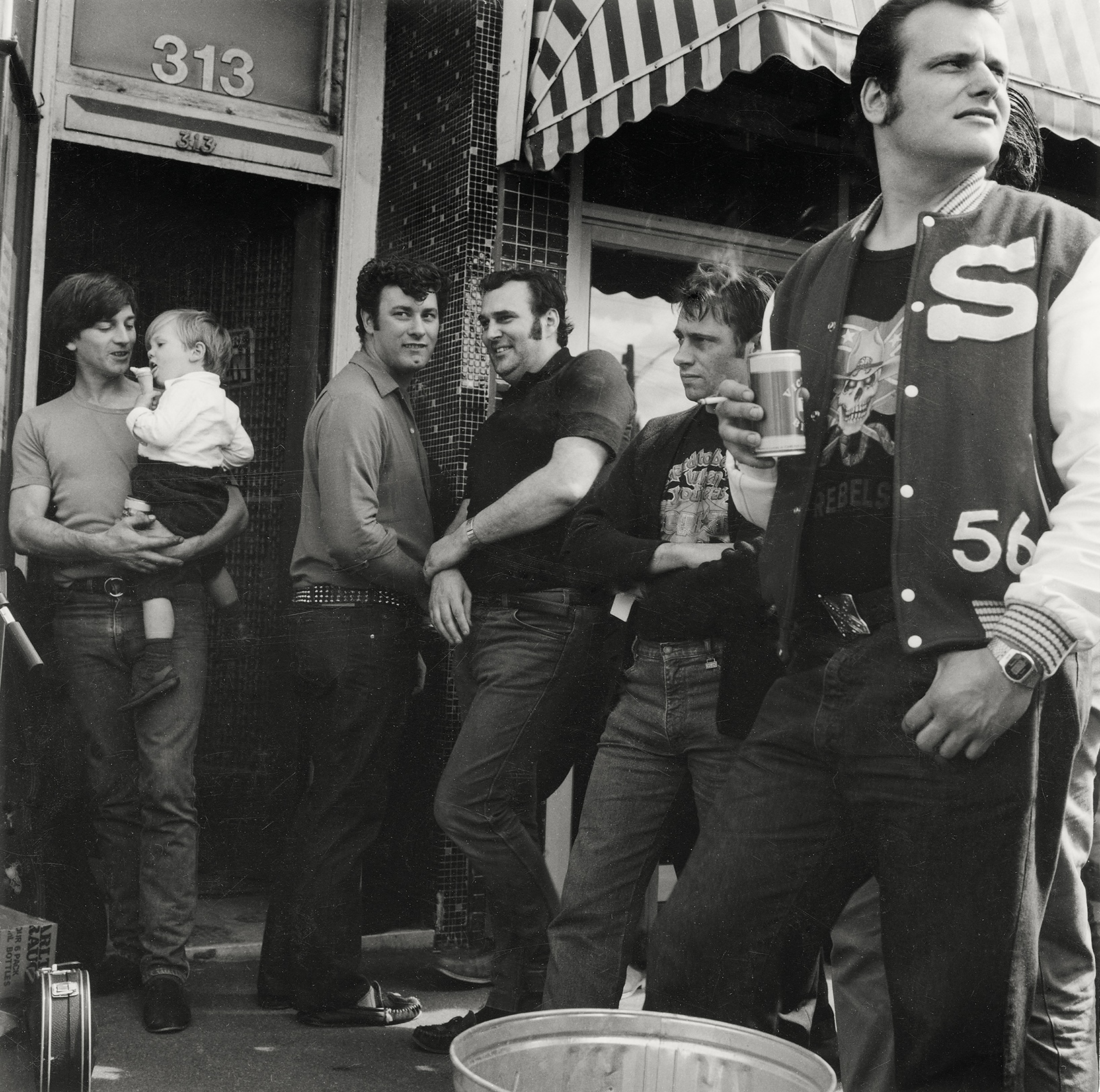
Viva Gibb, Denys Williams outside Hound Dog’s Bop Shop, 313 Victoria Street, West Melbourne, 1984, silver gelatin print, 20.5 × 16.5 cm. Donated by Sybil Gibb and Rupert Duffy to the Melbourne Art Trust in memory of Viva Gibb 2025, © Courtesy of the Estate of Viva Gibb.
One might dismiss much of Danius’ antics as jester-like snubs and imploding snarling tactics, but I have always felt that such qualities—clearly weighted in his solo work and that of his collaborative ensembles Histrionics, Slave Guitars, and Punkasila—are performative modes designed to irritate and block clear reception in the pithy “art world” of Australia. Histrionics covered Skyhooks’ “Horror Movie” (1974)—an embarrassing mash-up of Noam Chomsky and Hush—and transformed it into “Video Art.” It’s stupid, daggy, smarmy, and dumb: a perfect summation of vaunted Oz rock. All very funny, but around the time of כוכב אחד, Danius and his father, who both still resided in the family house in North Melbourne, were fined by the City of Melbourne, following an anonymous local complaining about the outrageous folk-art painting that adorned the Kesminas property façade. The exhibition included a photo of Danius standing in front of the house, its mural transforming the cottage into a theatre flat, brimming with cryptic Lithuanian cultural references. Danius is seen beaming at the wonderful vulgarity that made “wog” aesthetics such a vibrant visual lexicon in postwar Australia. The house has since had its façade painted, due to the presumptive and anal stewardship of City of Melbourne: their ‘Snap Send Solve’ phone app wilfully bends to development, gentrification, and upwardly mobile skips whose connection with European culture is on par with Jamie Cooks Italy (2018). No one came to Danius’ rescue to save this rare instance of localised multicultural expression of familial legacy and contemporary discourse.
Maybe the most profitable way to consider On the Street Where I Live is how it functions as an interdimensional agent. The exhibition ultimately recoups and repositions Viva Gibb less through her value as an artist and more via an ensnarement in the machinations of historical change. In this sense, art performatively appreciates such documentary figures in the same way that companies value retiring workers by awarding them a gold watch to symbolise their time spent in service. But viewed positively, one can picture artists like Gibb not as creative spirits (as per the gauche 2015 exhibition at the State Library of Victoria, Bohemian Melbourne) but as time-capsule drones, presenting their vision as faded signage on brick walls, lining the inner-city street where you live.
Gallery