CARTIER
August 15, 2026
-
CARTIER
Venue: National Gallery of Victoria | NGV International
12 Jun 2026 – 04 Oct 2026
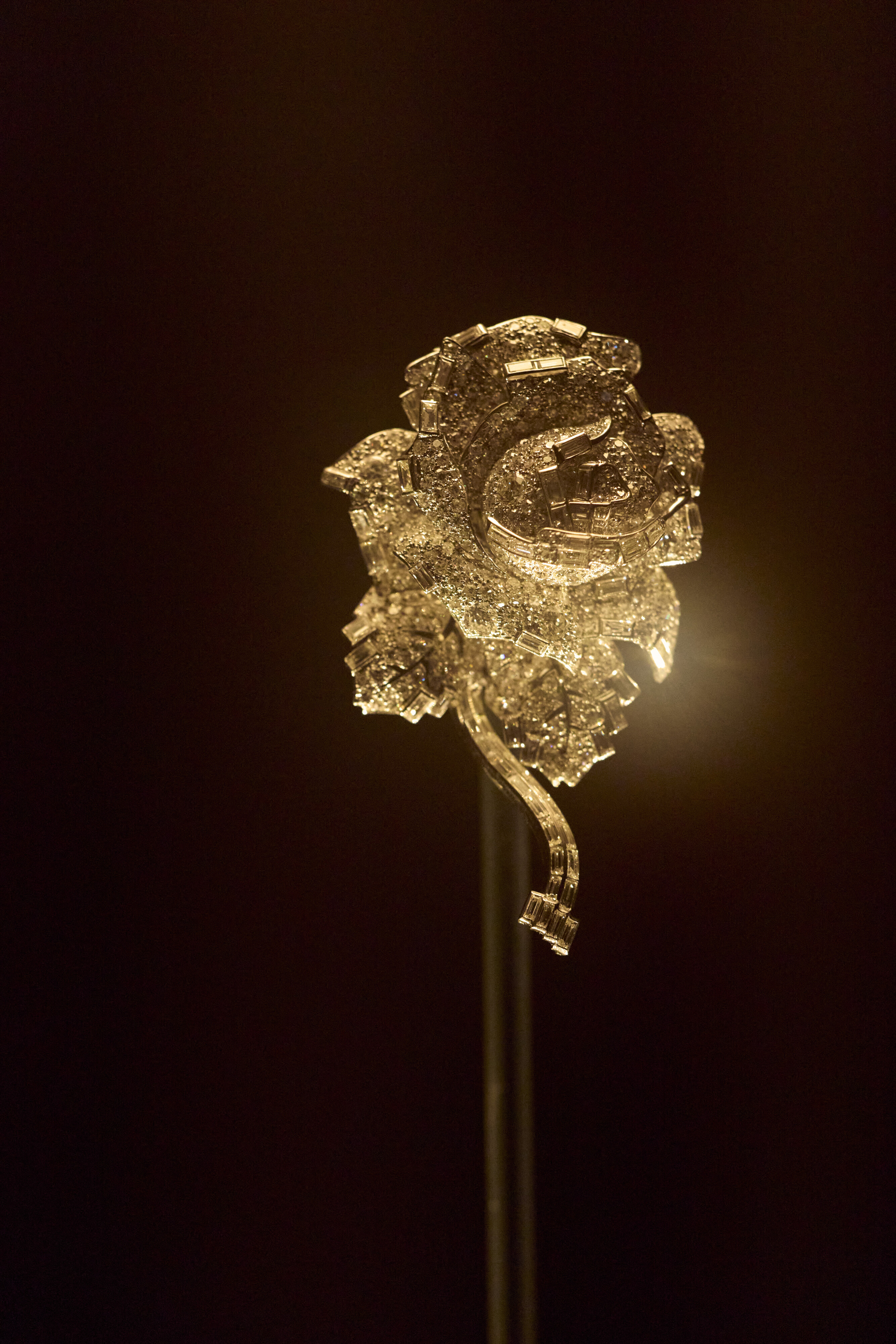
In 2009, Guy Trebay published a story in The New York Times, “When Cartier was just for the likes of Liz,” Liz being of course Elizabeth Taylor, and the reference being to the jeweller Cartier resetting the famous sixteenth-century pearl, La Peregrina, that had been owned by (among others) Queen Mary I of England and the Spanish queens Margarita and Isabel, before Richard Burton purchased it at auction for Taylor in 1969. Trebay charts the shifts from a metropolitan-based luxury purveyor such as Cartier to global retailer selling more modest items: pens, leather-goods, key rings, and wedding bands. But the “high jewellery” for which they are justly famous is now available for all to see, via a massive exhibition at the National Gallery of Victoria.
There are quite a few thought leaders in our midst who like to police what should or not be in an art gallery. One remembers the outrage with which architecture critic Elizabeth Farrelly greeted the last big Cartier exhibition at the National Gallery of Australia as an “embarrassment of riches” (which such jewellery surely is) and as “last bastion of bling.” “Bling” is an overused word; it is ahistorical and has little meaning. Farrelly’s objection was that something as evidently valuable, commercial, and alluring as fine jewellery made of rare gemstones has no place in the contemporary museum. Yet nearby were many examples of art or craft jewellery from important makers of the twentieth century, some commercially produced. What is the difference when a great jeweller such as Cartier undoubtedly exhibits conceptual depth and design vision?

Installation view of CARTIER on display from 12 June to 4 October 2026, at NGV International, Melbourne. Photo: Felix Forest.
I have noticed that fine jewellery polarises people. I personally like it very much, and I don’t necessarily hate the rich who wear it. It is both beautiful to look at, romantic to imagine, and an important social document of what a society values at a particular time. One line of academic thought suggests that the choice and arrangement of jewels are one form of a woman’s “voice,” along with fashion. Others see it as an expression of wealth that is alienating, simply not of the people. There is also the ugly side of gems: conflict diamonds, corruption, underworld crime, and artificially manipulated and inflated world prices. Jewellery has undoubtedly become intertwined with the image culture that drives contemporary fashion.
Jewellery is always socially compelling and visually significant. Early modern jewels were not independent of dress. At some stage they seemingly came to “detach” from dress and be seen as an accessory. In CARTIER we see a few early pieces with hooks that were used to attach them to women’s clothing. When addressing jewellery, abstract questions can in fact be posed. How did the world of jewellery come to be associated with women? How did jewellery become “secularised,” what parts of its medieval and mystical connotations does it retain? How did something that one now sees as an “accessory” come to shift from centre stage of the garments of the elite to become something ancillary to dressing? As most jewels do not corrode, as they survive in large numbers, and clearly have a visceral (and financial) appeal, fine jewellery endures better than many other kinds of fashion. How did people “compose” their appearance via gemstones in the past?

Installation view of CARTIER on display from 12 June to 4 October 2026, at NGV International, Melbourne. Photo: Lillie Thompson.
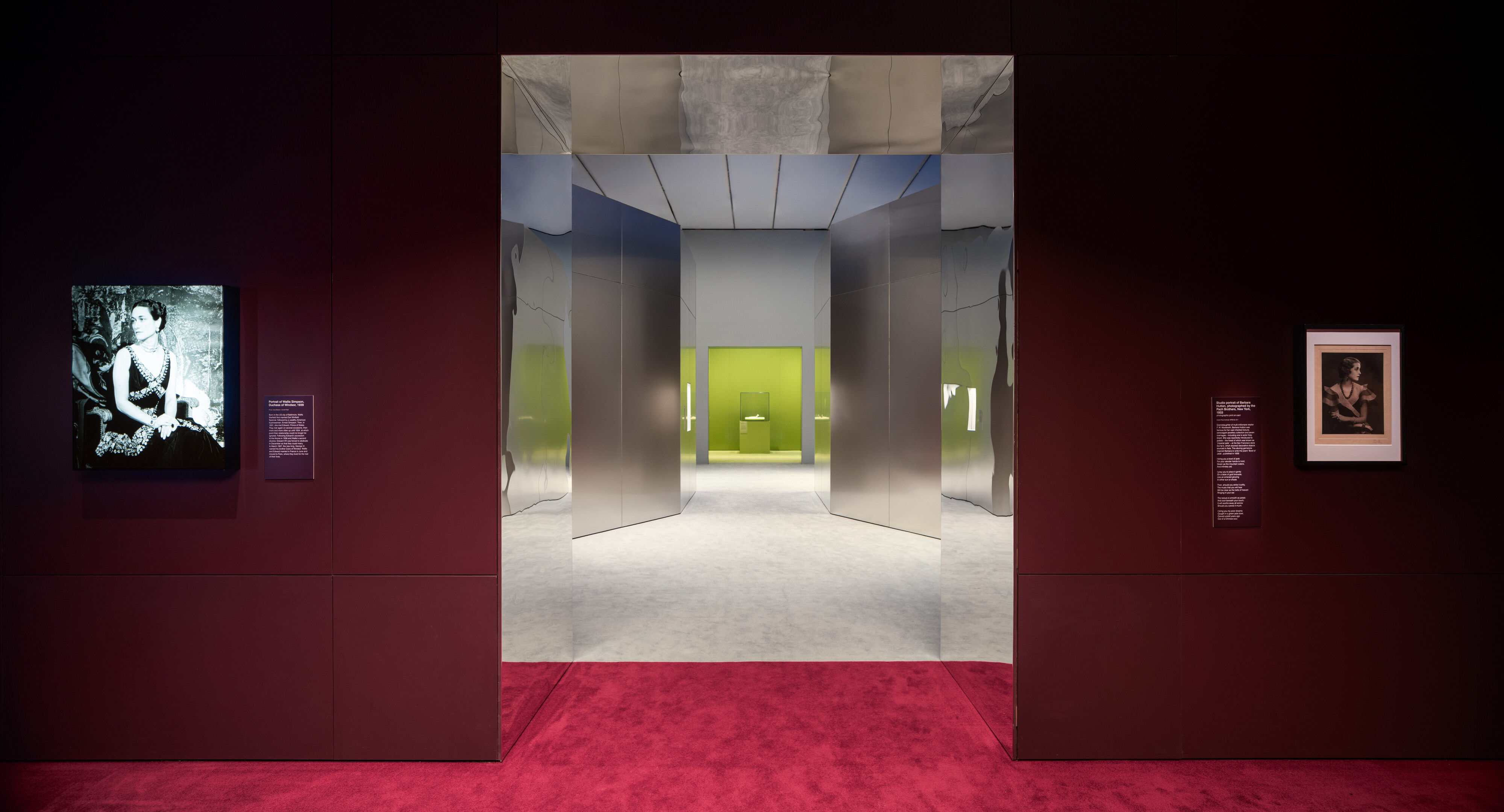
CARTIER was simply the best jewellery and possibly one of the best decorative, single-topic art exhibitions I have seen in forty years of looking. Jewellery is meant to move with the body, but here it is displayed instead on elegant, invisible mounts. The exquisite and limpid modernist exhibition design by Sabine Marcelis and CLOUD never fought with the works on display. A sense of unfolding drama matched the splendour of these astonishing jewels. Iconography, materiality, sourcing, design, global art inspiration, making, purveying, retailing, and image making were all evoked, alongside a very wide range of ephemera. Bringing together production and consumption effectively is not often done and hard to achieve.
How did people afford such gems? The word “millionaire” was coined in 1843 upon the death of the New York tobacco magnate Pierre Lorillard. Money was now being made in the financial, service, and retailing parts of the economy, and, by about 1870, the USA became the largest economy in the world. London remained the financial hub with most of the world’s capital flowing through there. Paris remained the real and mythological fashion capital, with fashion and luxury goods being worth more than its steel industry. The Coronation of Edward VII in 1902 saw a new concentration of high luxury hotels and stores such as Cartier and Fabergé in Bond Street, London. All of this is brought out very well in the exhibition, including the fascinating fact that the grandiose fashion house Worth shared a London premises with Cartier for a while, and the families were related by marriage.
Clare Booth Luce, a wealthy ambassadress and society figure, formerly married to Henry R. C. Luce, chairman of the Time-Life publishing house, once said: “In America money is a thing less valued in the spending than in the earning. It is less a symbol of luxury than of ‘success,’ less of corruption than of virtue.” The taste for fine gems was the apogee of a taste that had commenced in the eighteenth century. American female millionaires wore so much jewellery that novel means were developed by which to display it. Mrs Frederick Vanderbilt dangled coloured gemstones just above her feet, suspended from ropes of pearls at her waist. Mrs John Drexel wore ropes of pearls down her back. Favourite items included tiaras (not to be worn in restaurants, only at court, the theatre, or in private houses), coloured-stone bracelets (known as “service stripes” by British women in the 1930s and 1940s), rings, dog collars of pearls, brooches, clips, corsage ornaments (that covered the breast), and earrings. Women were laden with jewels for dinner: Kenneth Clark, the art historian, noted in his diary of a New York party in 1930 that the women “even brought pieces of jewellery in their hands and laid them down on the dinner table. This could have happened in the Middle Ages.”

Installation view of CARTIER on display from 12 June to 4 October 2026, at NGV International, Melbourne. Photo: Felix Forest.
The luxury sector wishes to give lustre to its brands by invoking their pedigree. It uses the past to provide a sense of continuity and success. For some brands, this is no invention. The oldest among them belong to the watch and jewellery market and include brands such as Breguet (est. 1775), Tiffany (1837), Cartier (1847), Bulgari (1884), and the more recent Rolex (1908). Cartier’s logo has been in use in a nearly unaltered form since the early twentieth century. Frédéric de Narp, former president and chief executive of Cartier North America, once said that “there is no fashion at Cartier, there are no seasonal products.” Fashion in clothing is often seen as “directional” or future-oriented, whereas luxury often sees value in the past, even if that is simply understood as “timelessness”. The NGV exhibition demonstrated that there was plenty of fashion at Cartier. There were fashions in stones, settings, design, ways of wearing, and even typologies (the wrist watch, developed after World War I). In Vita Sackville-West’s The Edwardians (1930) the main character goes to Cartier to have the family gems reset, “preferring the fashion of the day to the heavy gold settings of Victoria’s time.” Sackville-West was a regular correspondent with Jacques Cartier in London, admiring and acquiring his Persian-style gems.
Why does the public like looking at jewels? Art historian Maria Zytaruk notes that the exchange of objects reinforced intimacy. “Objects have the capacity to inspire and to absorb,” she writes. “They involve imaginative and material forms of labour.” Cartier includes a small section of later nineteenth-century jewels when the house was established, but mainly addresses its heyday from the 1910s to the 1950s. As Marco Urizzi has argued of fashion life after World War II: “Anyone could climb the social ladder, but once there one had to display a certain aesthetic language. If you did not have the background at least now you had all the images. Brands as well as products became for the first time status symbols in themselves.” The 1950s examples in this exhibition certainly make that point.
We tend to forget how rich early, successful performers were. Australian opera singer Dame Nellie Melba (1861–1931) was the highest paid contemporary performer in Grand Opera in the world. She earned £1000 per week (about £150,000 today), and in 1911 £46,000 (about £7 million today) for her share of just one concert. Her recordings earned her the equivalent of millions. Melba lived in luxury in London at the Savoy and in a Paris apartment, enjoying clothes and costumes by Worth; jewels, evening bags and bibelots by Cartier, Boucheron, Tiffany, and Fabergé; and a Rolls Royce. Lucius Beebe, the openly gay columnist said of her: “Melba acted the part of the star performer both on stage and off and travelled in a cloud of hothouse flowers, couriers, personal attendants, and the gastronomic prejudices of those well placed and determined of the world.” Cartier kept a signed photograph of Melba in their private office.
Stories of fine jewellery also bring out tales of eccentricity. The courtesan Liane de Pougy moved easily between the aristocratic lesbian clique in Paris and the whirl of society Paris, and her vicious feud with another courtesan, Caroline Otero, was always in the news. Their most infamous encounter occurred at Maxim’s, where Otero made a startling entrance wearing a décolleté evening gown with every jewel she owned sewn onto it. Liane had been tipped off beforehand, and she entered Maxim’s in a plain white gown with a single diamond drop at her throat. Behind her came a maid bearing a large velvet cushion on which was piled a glittering mound of her entire jewel collection.

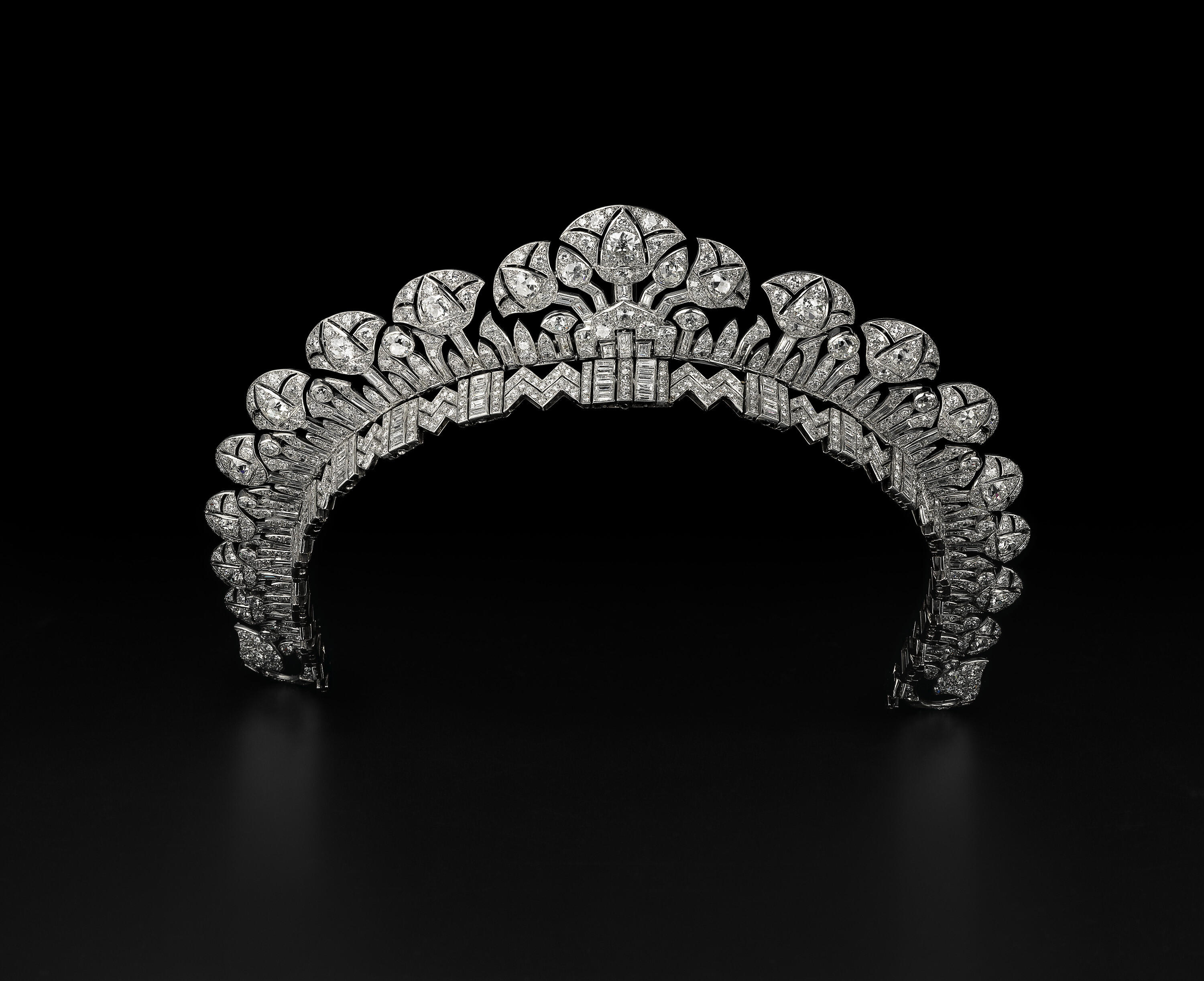
Cartier London, ‘Halo Tiara’, 1934, Cartier Collection, Photo: Vincent Wulveryck.
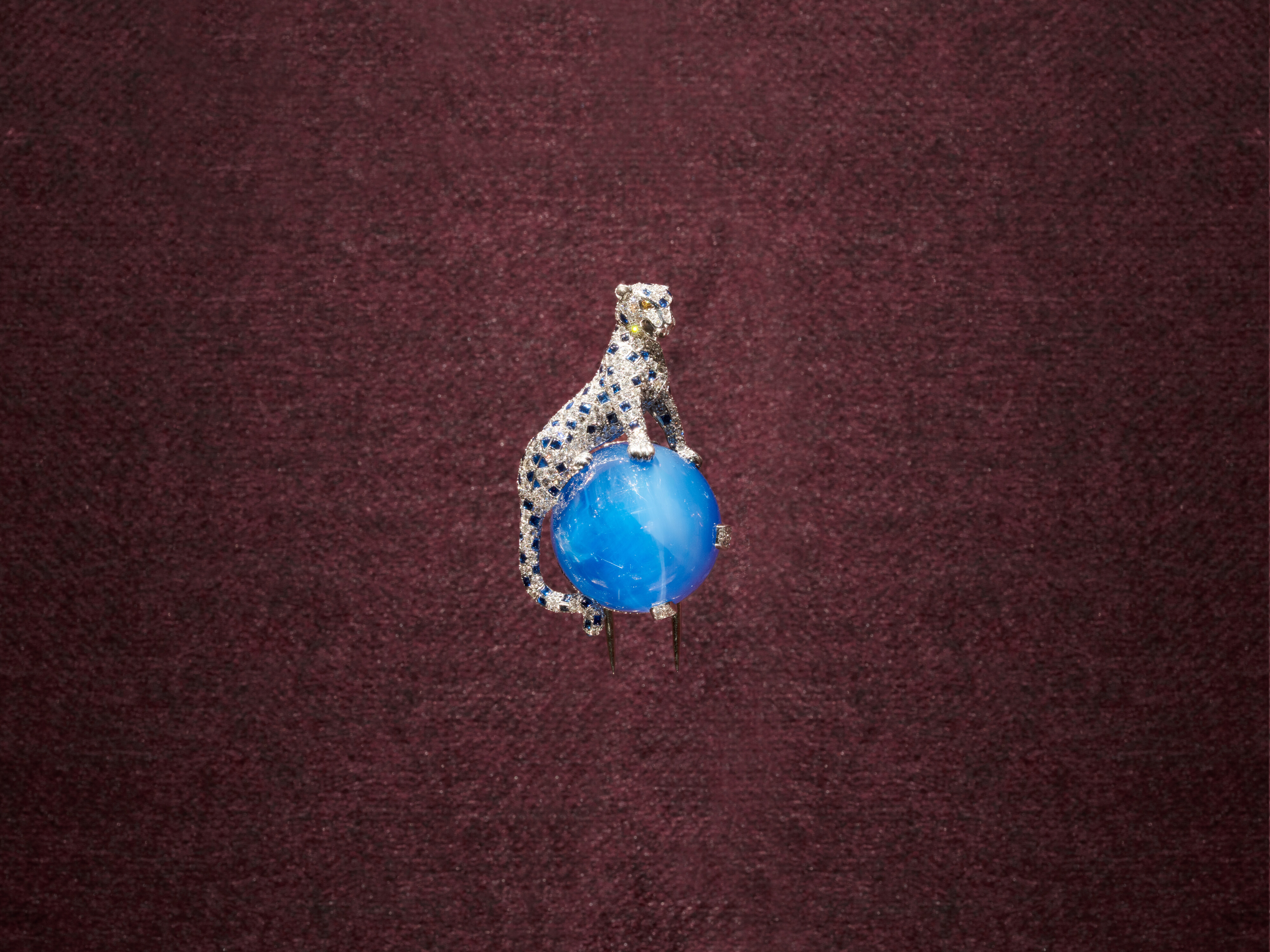
The concept of luxury and the material forms that it assumes has therefore never been fixed in time. It was often society women and figures of style who guided trends with their fingers very much on the pulse of the times. One such woman was Cartier’s jewellery director Jeanne Toussaint, who directed many of the most famous Cartier jewels of the 1930s, 1940s, and 1950s, such as the iconic “big cat,” now so central to the “timeless” Cartier image. Princess Bibesco said of Toussaint: “You perfume diamonds.” Jeanne Toussaint is given the prominent place she deserves in the NGV show.
The infamous Duchess of Windsor is also a fascinating focus of the exhibition. In 1987, the sensational sale of the Duchess’ jewels broke records. Her biographer Hugo Vickers notes that the Duke had expressly requested that the Duchess’ jewels were never to be sold in their settings, a directive that was overruled by her lawyers subsequent to her death. The jewellery collection, the sale of which reinvigorated her fame after her death, constituted a type of endless script over the body, much of it being inscribed with private messages in the prince’s handwriting by the jeweller-engravers. In a nod to the Duchess’ sartorial modernity, she never wore antique settings. Although the jewels commissioned by the Duke appear very contemporary, they often incorporated punning devices and personal references that connect them to an older tradition of allegorical jewels gifted within courts. Furthermore, their technical and aesthetic innovation lay in their ability to be flexible and pliable, to mould to her body. Only the wearer could read the loving inscriptions, and they enacted the type of emphatic demand of Royal status (denied to her by the new King) that her dressing also asserted. Here is Marcel Mauss on gift exchange: “The thing given is not inert. It is alive and often personified, and strives to bring to its original clan and homeland some equivalent to place (…) Things have values which are emotional as well as material; indeed, in some cases the values are entirely emotional.”

Installation view of CARTIER on display from 12 June to 4 October 2026, at NGV International, Melbourne. Photo: Sean Fennessy.
Cartier is of course also part of global business. Some of the best-known luxury producers (including Louis Vuitton, Gucci, and Cartier) in the post-war period retained their traditional small scale, often as a family business. By the 1970s, some were in financial trouble. Yes, they produced excellent products of undisputed quality, but they were unable to market themselves effectively and to seize the opportunities presented by expanding markets, particularly in the BRIC emerging economies. This led to the first phase of the restructuring of the luxury sector, the buying up and creation of conglomerates: Cartier is now owned by Swiss group Richemont, which also own jewellers Van Cleef and Arpels.
Historical context, transnational trading and retailing, and the ebb and flow of twentieth-century fortunes were touched upon. My only critique is that the impetus for the creation of many of these jewels was more suggested than explained. But then an exhibition should not be a book, and viewers can go on to explore these historical dimensions themselves. The Cartier brand was not emphasised in a crude or vulgar way. I was not convinced that we needed to see some of the recent bespoke Cartier creations, partly because I felt these did not quite match the cojoined design and fabrication genius of the earlier work. These contemporary creations come from a family company that has now merged into a global conglomerate. Yes, most of the gems come from the company archive—the reacquisition of historical pieces by fashion and jewellery houses has only taken off in the past twenty years, for archiving, inspirational, and marketing reasons—and without that archiving and repurchasing of gems on the secondary and auction markets, these spectacular items would otherwise be sitting in bank vaults and ladies’ jewellery cases in safes, not likely to be loaned out or seen again.
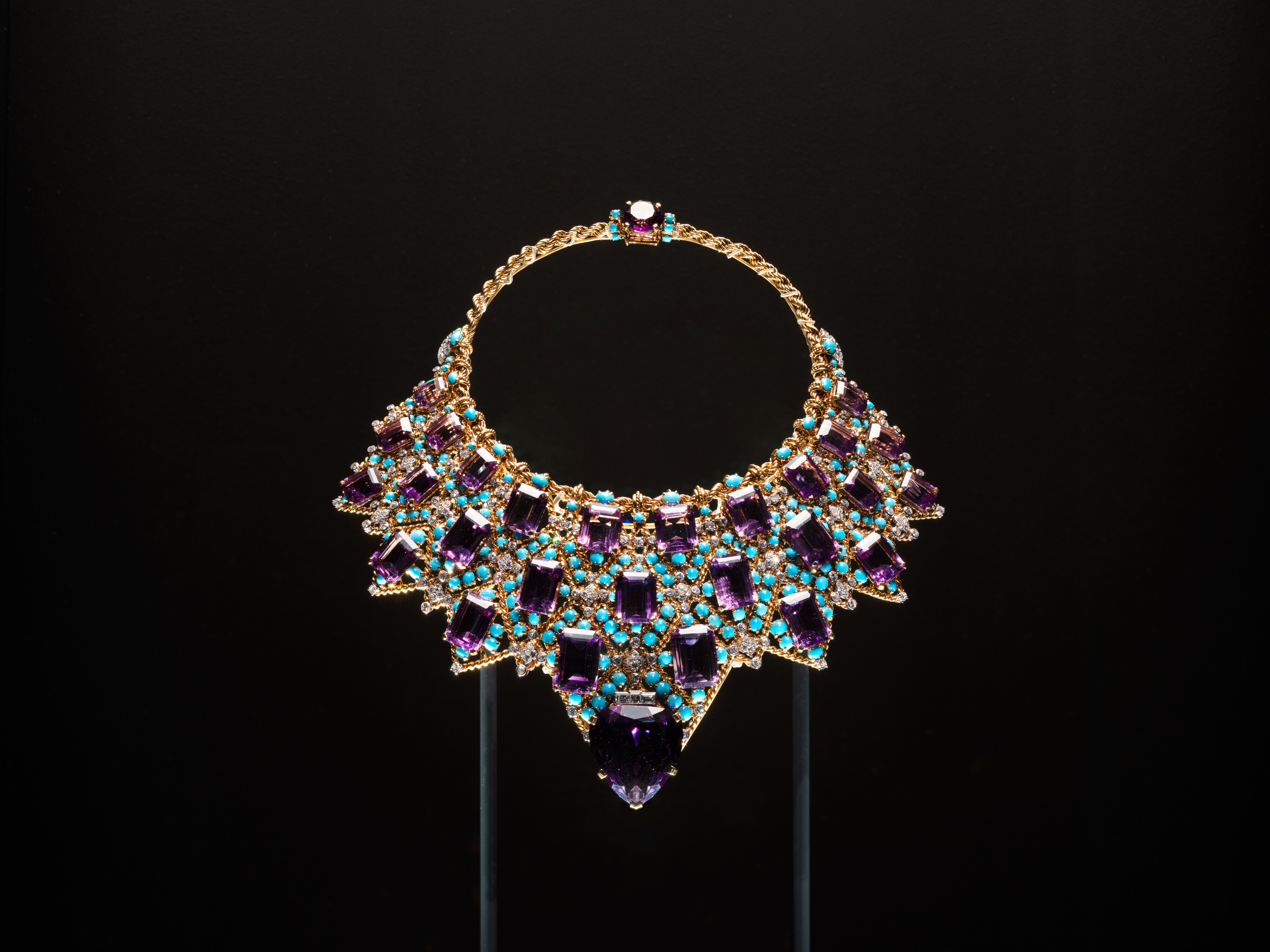
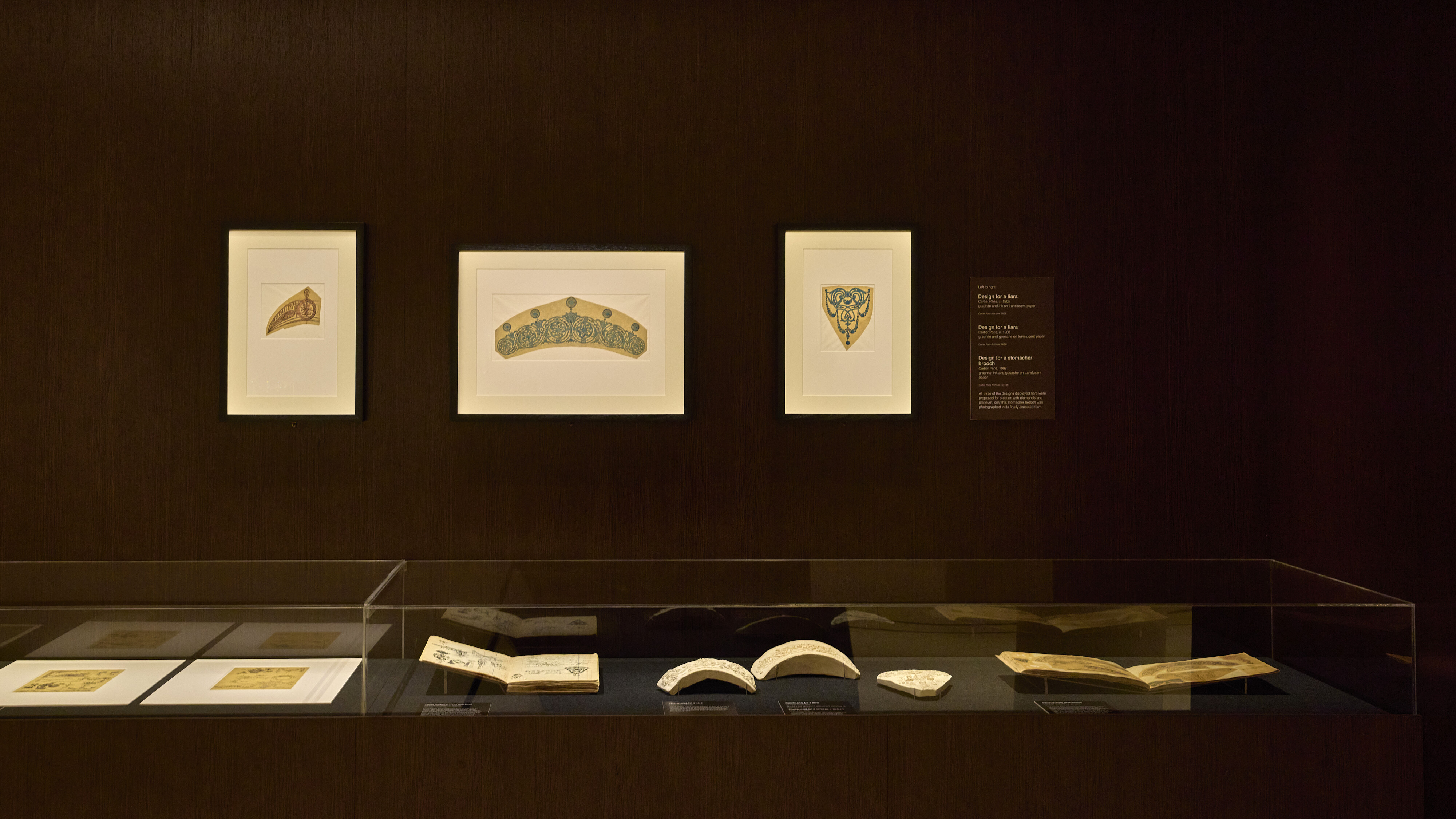
CARTIER was an inspiring, clean, crystalline exhibition space, very large, with very deep vitrines to accommodate the jewels and direct the large public. Almost invisible mounts were particularly effective for coloured gems, such as the famous Indian style tutti frutti. There was a very good sense of making, inspiration, and materiality, from plaster moulds to eighteenth- and nineteenth-century source books, Japanese and Chinese textile prints, and animal sketches. Cartier was a part of an international network of suppliers, brokers, dealers, makers, and retailers who had specific ways of operating in the marketplace. The NGV exhibition makes a good effort to explain this via photographs and documents showing the Cartier brothers, Louis, Pierre, and Jacques, traversing India and the Middle East in search of both goods, clients and design inspiration. There was much less focus on the famous women clients than I was expecting, but that meant it did not veer into a celebrity fest. While the display truly demystified the art of jewellery design, it might have gone a little further in explaining what such jewels meant to purchasers and wearers. The National Gallery of Victoria has once again re-asserted itself as the most exquisitely installed and exciting place to view global quality art and design in Australia. Whether this is a matter of funding, drive, vision, or the Melbourne and national public embrace of this gallery, I leave to the readers.
Gallery